About Us

About American Forests
Home | About American Forests
About American Forests
Contact Us

Board of Directors

Field Representatives

Staff

Jobs and Internships

History of American Forests

Privacy and Security Policy

Donor Bill of Rights

Ecosystem Restoration and Maintenance Agenda

2006 Financial Report

2007 Financial Report

2008 Financial Report

A copy of American Forests' IRS form 990 can be obtained at www.guidestar.org

Better Business Bureau

Charity Navigator

Mission: Our mission is to grow a healthier world.

Vision: Our vision is to have healthy forest ecosystems for every community.

Strategy: Our strategy for achieving the mission is to provide action opportunities to targeted audiences to enable them to improve their environment with trees. We do this by using the best science to identify conservation issues, then develop and market practical solutions that individuals and groups can apply. American Forests' targeted audiences are individuals, community groups, government at all levels, educators, and businesses.


American Forests is a world leader in planting trees for environmental restoration, a pioneer in the science and practice of urban forestry, and a primary communicator of the benefits of trees and forests.

American Forests (americanforests.org) is the nation’s oldest nonprofit citizens’ conservation organization. Citizens concerned about the waste and abuse of the nation’s forests founded American Forests in 1875. The organization is proud of its historic roots in the development of America’s conservation movement and proud of the new approaches the organization has developed to help people improve the environment in the 21st Century. American Forests’ Ecosystem Restoration and Maintenance Agenda presents our core values and seeks to build support for our policy goals. These goals focus on assisting communities in planning and implementing tree and forest actions to restore and maintain healthy ecosystems and communities. We also work with community-based forestry partners in both urban and rural areas to help them participate in national forest policy discussions. American Forests seeks to broaden awareness of the interdependence of communities and forests through our policy and communication activities with local partners.

The roots of our work at American Forest are deep in the communities we serve all over America. Whether it is planting trees to restore ecosystems damaged by wildfire, working with cities to reverse the decline in urban tree cover or instituting a Living Classroom project at a local school everything we do is community based. American Forests is a leading proponent of community-based forestry in the United States, providing workshops; publications and other resources to help people in communities use their resources in exciting new ways.

American Forests is about action and that is the focus of our major campaigns. Today, the organization's primary campaigns are "Tree-Planting for Environmental Restoration" and "Reversing the National Urban Tree Deficit," which encourage people to improve rural, suburban, and urban ecosystems by planting and caring for trees that provide important environmental and economic benefits including pure water, clean air, and wildlife habitat.

CAMPAIGNS

Tree-Planting for Environmental Restoration:

Global ReLeaf Picture

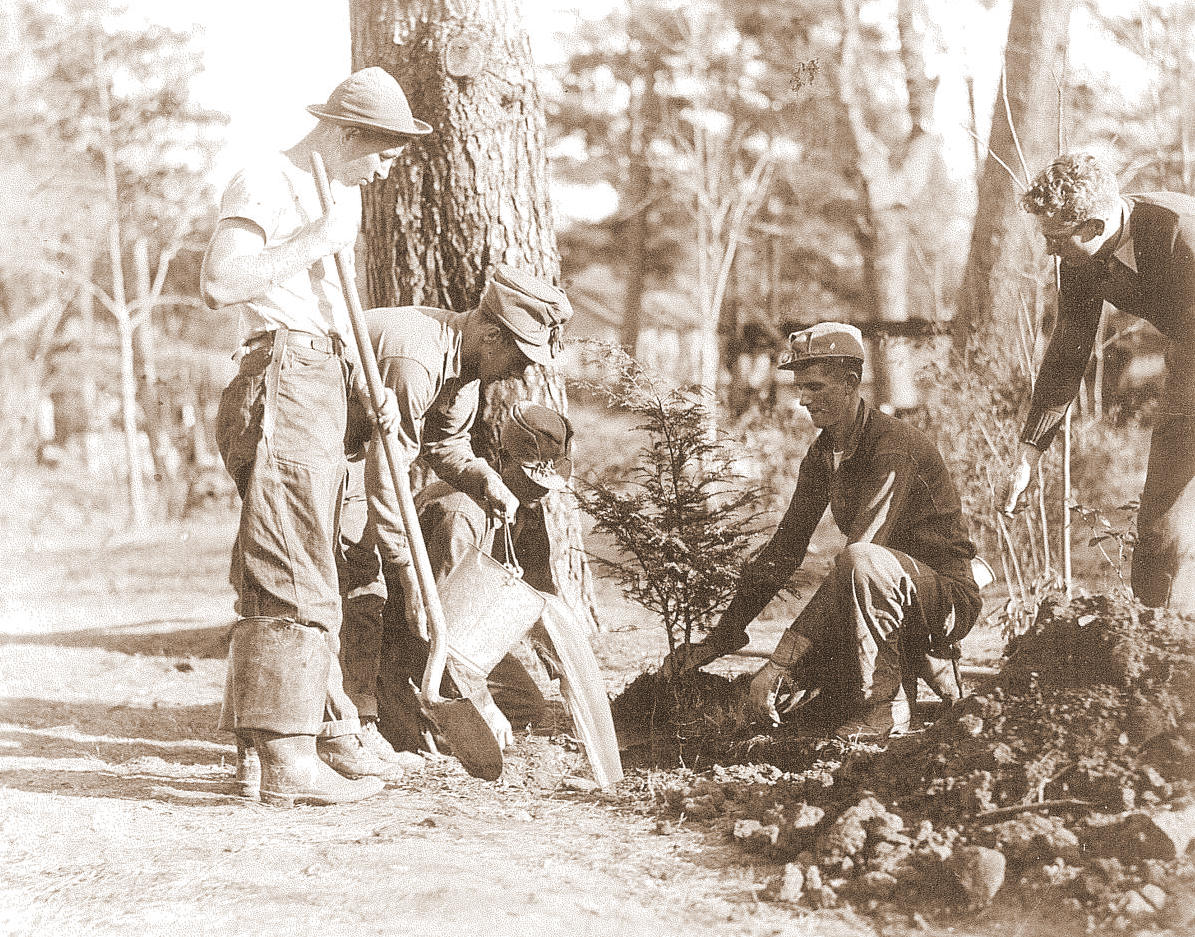
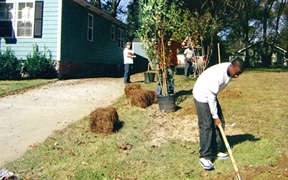
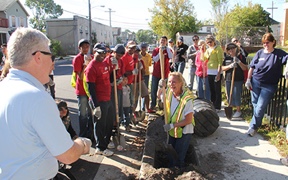
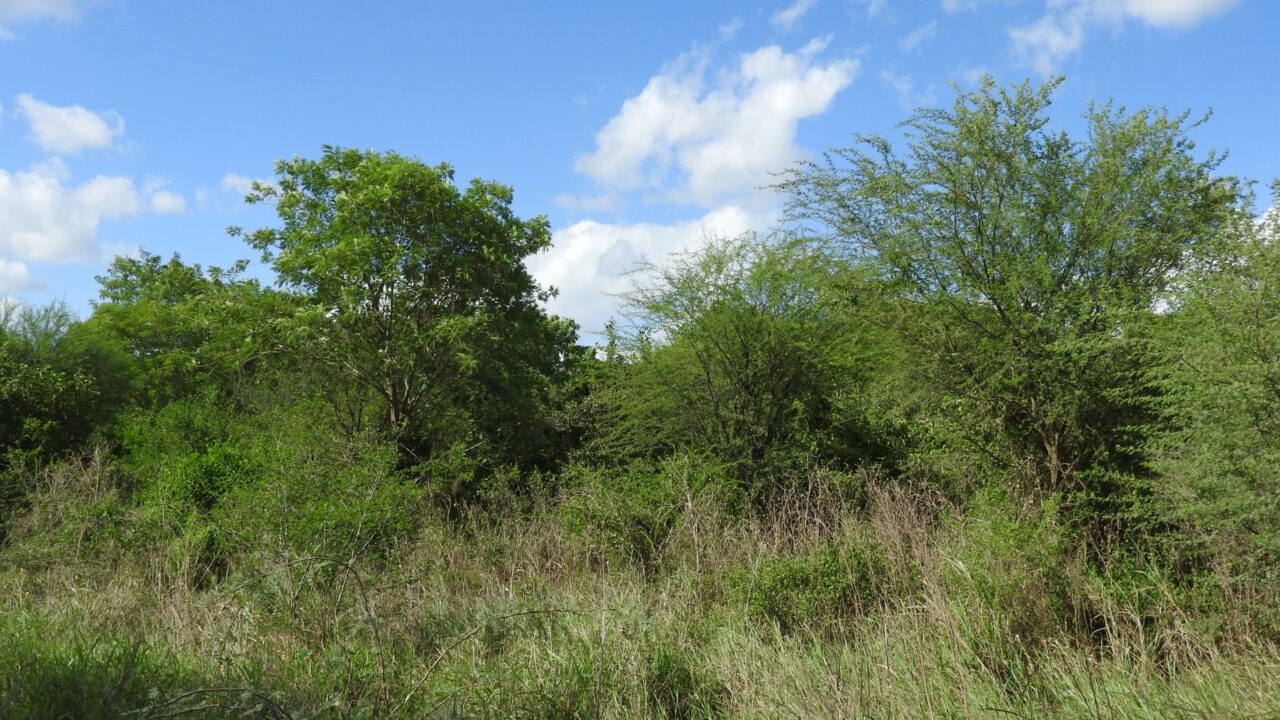
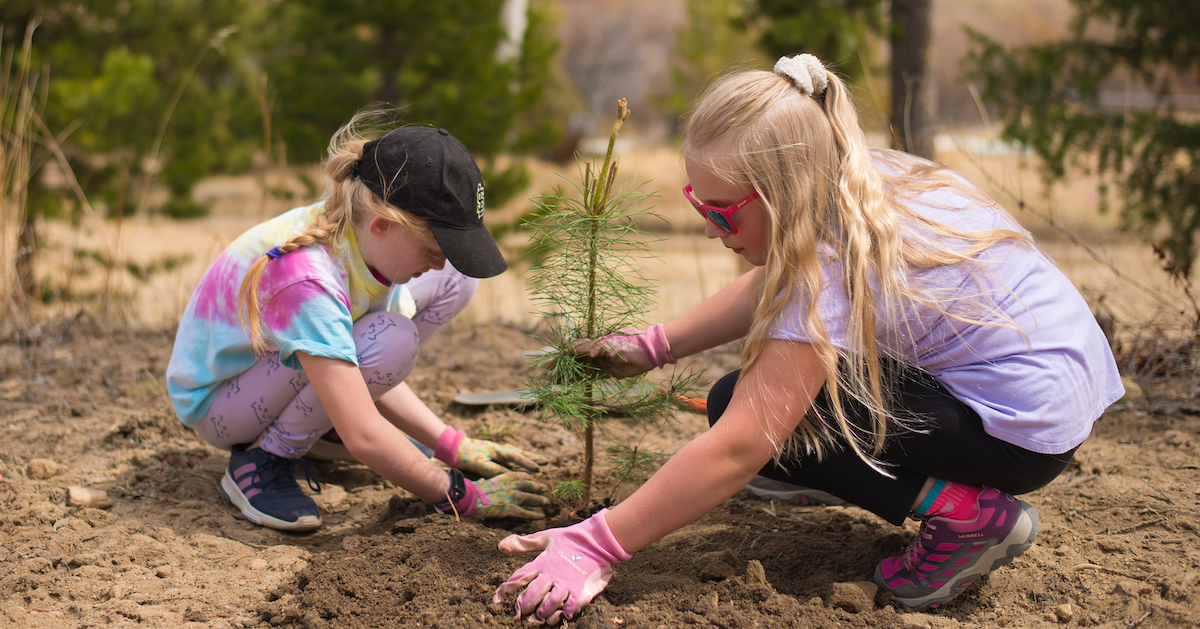
Since 1990, American Forests' Global ReLeaf campaign has been planting native trees in rural and urban ecosystem restoration projects across the United States and around the world. The campaign plants trees where they are desperately needed such as along hillsides to reduce erosion and streams to prevent polluted runoff and sedimentation as well as other ecologically significant areas. Whether it is planting trees to increase habitat for wildlife such as grizzlies, salmon, Siberian tigers, or neotropical songbirds, or to stabilize denuded slopes, provide clean air and water, and repair burned forest ecosystems, American Forests'Global ReLeaf tree planting projects plant the right trees in the right places for the right reasons. About 85% of American Forests' tree-planting projects occur in the United States and 15% are international efforts. All are conducted in cooperation with local partners, foresters, or natural resource experts. American Forests is a 501(c)3 nonprofit organization; donations are tax-deductible as allowed by law.

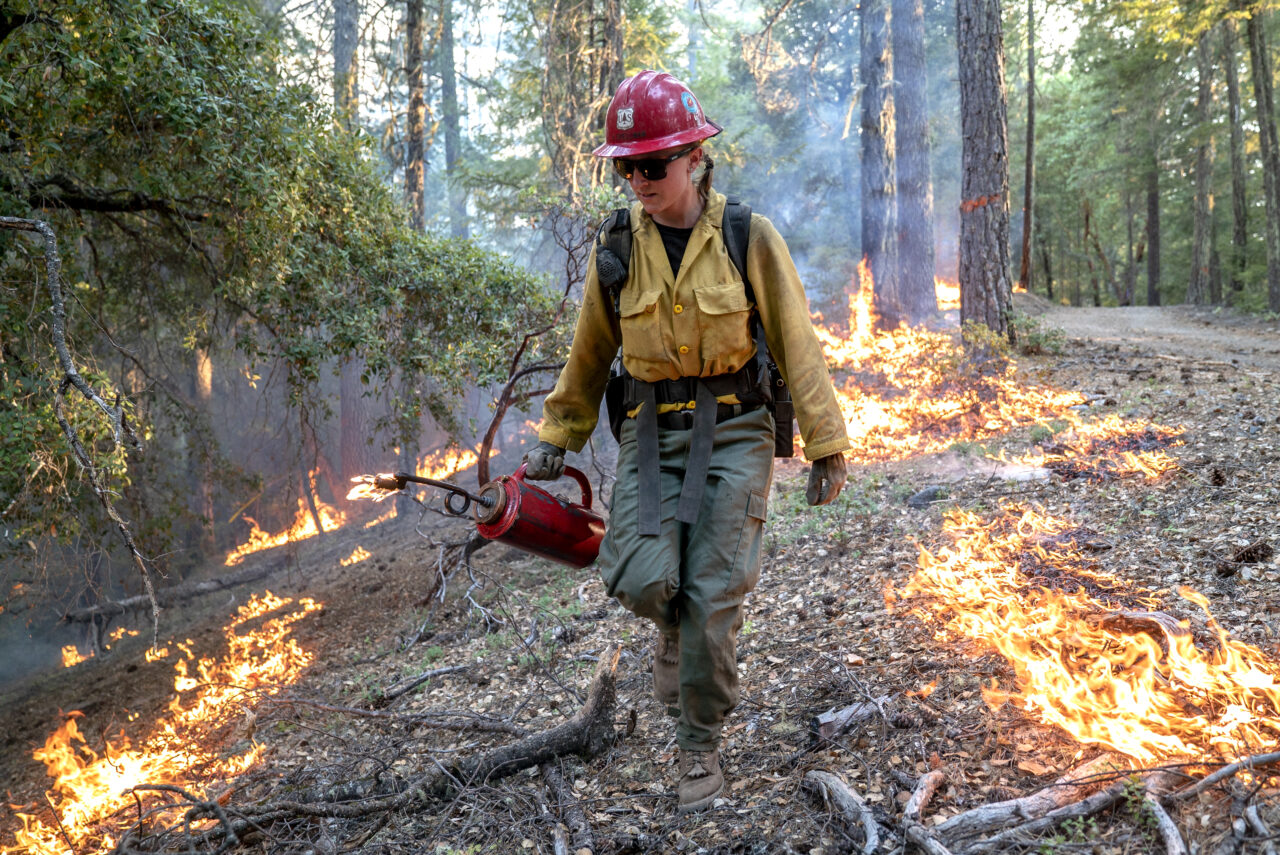
American Forests has been a leading provider of information and education on the issue of wildfire for over a century. Now we have combined wildfire information and education components with action to plant trees to restore environmental damage caused by catastrophic wildfire. Wildfire ReLeaf a partnership with the USDA Forests Service reaches people throughout the country and helps them understand the role of fire in the ecosystem and the need to manage our forests differently. It gives them the opportunity to restore the environment by planting trees.

In 1998, American Forests' initiated Global ReLeaf 2000, an education and action program that encourages individuals, organizations, agencies, and corporations to improve the local and global environment by planting and caring for trees. The goal of the program is to plant 20 million trees for the new millennium to restore damaged rural forest ecosystems. The 20 millionth tree will be planted at a special ceremony in the spring of 2002. Global ReLeaf 2000 has provided millions of dollars in cost-share grants to partners for urban and community forest projects. The Global ReLeaf network extends through every state and territory in America, as well as 21 countries worldwide.

American Forests' Historic Trees Nursery is another way the organization helps individuals plant trees that cool and beautify their homes, neighborhoods, and businesses. The Nursery, a state-of-the-art facility in Jacksonville, Florida, propagates direct-offspring of trees that witnessed events and lives significant to American history. Hundreds of trees are available from the Historic Trees Nursery including offspring of tulip poplars that majestically stand at George Washington's Mount Vernon Estate and Eisenhower Green Ash Trees grown from a tree that stands at the birthplace of President Dwight D. Eisenhower. Categories include Presidents, American Revolution, Women, Civil War, African Americans, Native Americans, Veterans, Country Music Artists, Authors, Inventors, and trees of regional significance. For a complimentary catalog of the Historic Trees Nursery and a tree order form call 800-677-0727 or visit www.historictrees.org.

Urban Forest Center

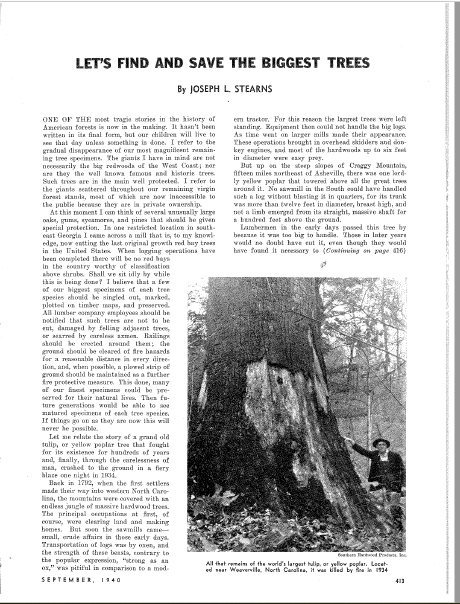
In addition to propagating historic trees, American Forests works to identify and protect America's grandest trees by maintaining and publishing the National Register of Big Trees, which lists the largest-known specimens of native and naturalized trees in the United States. The Register, begun in 1940 and published biennially, documents and encourages the preservation of the largest trees of each species. National champion trees are nominated by the public. Three champions remain from the original list: the giant sequoia (General Sherman), Rocky Mountain juniper (Jardine Juniper), Western juniper (Bennett Juniper).

Reversing the National Urban Tree Deficit

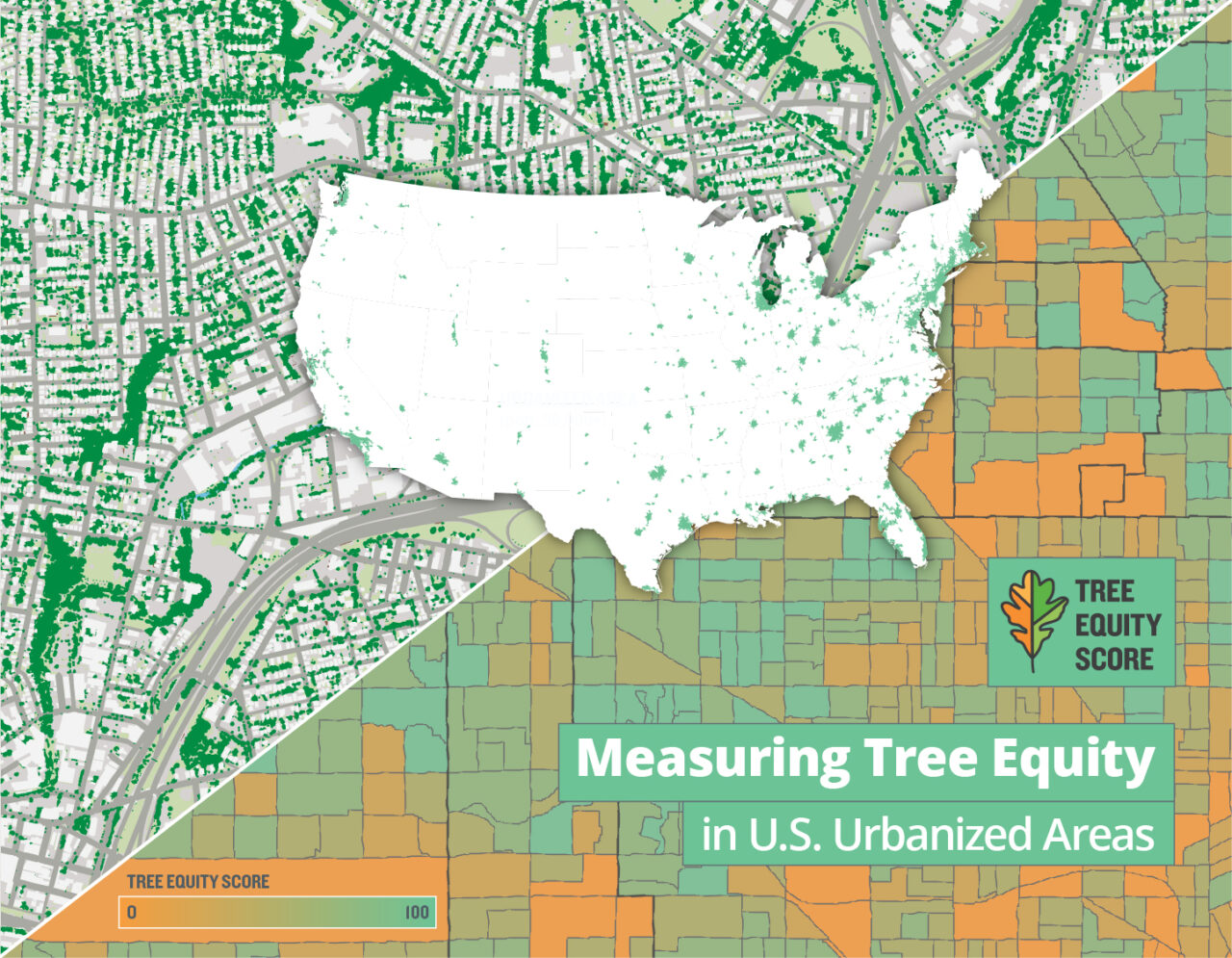
American Forests is a worldwide leader in using satellite imagery to analyze the health of urban tree canopies and a pioneer in defining and communicating the benefits trees provide urban ecosystems.

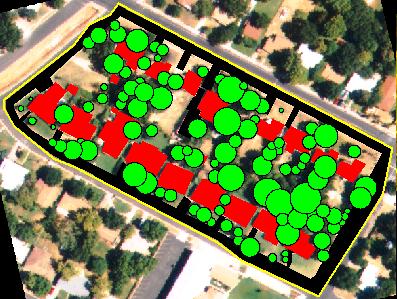
For years, experts at American Forests have been using satellite imagery to document the decline or increase of urban forest canopies in cities and calculate the environmental and economic benefits trees provide. These studies, called Urban or Regional Ecosystem Analyses, provide detailed information about a city's ecosystem, including both natural and human-made features, from data collected and analyzed using high-tech computer software programs, called Geographic Information Systems (GIS). An analysis includes estimations of the widespread benefits of a city's urban forest resources, satellite imaging and digital maps that are compatible with planning designs, and a presentation package of charts, maps, and photos. Analysis results quantify the economic values of trees (in shading homes and pavement, reducing excessive runoff during high intensity storms, improving air quality, etc.) to be weighed against the costs of including natural resources in urban plans.

After analyzing tree canopies of dozens of cities across the United States, American Forests has been able to calculate the National Urban Tree Deficit, the number of trees currently needed to provide America's largest cities with adequate tree cover. The National Urban Tree Deficit now stands at more than 634 million trees.

Recently, American Forests began using new, higher-resolution satellite imagery that allows its researchers to see every tree in every neighborhood of a particular community. From those images, the organization can now produce a Gray to Green Scale, a report showing which neighborhoods have adequate green infrastructure (or tree cover) and which have an abundance of gray infrastructure (sidewalks, buildings, and parking lots). American Forests hopes decision makers across the country will use this new tool to increase their communities' tree canopies and reduce their tree deficits.

Urban Forest Center

CITYgreen, Geographic Information Systems (GIS) computer software produced by American Forests, provides individuals, local organizations, and agencies with a powerful but affordable and user-friendly way to evaluate development and restoration strategies and their impact on neighborhoods and communities.

National Urban Forest Conferences, organized by American Forests every two years, bring together a broad range of people interested in improving the urban environment. This includes city planners, engineers, foresters, legislators and many others. The theme of the 2001 National Urban Forest Conference, held in Washington, DC, was Investing in Natural Capital.

RESOURCES

American Forests magazine has been published continuously since 1895, although under different names, such as Conservation and Forestry and Irrigation. Several essays in Aldo Leopold's famous book, A Sand County Almanac, were first published in American Forests. Gifford Pinchot also wrote for the magazine, as did Robert Marshall, Rene Dubos and Sigurd Olson. More recently, notable writers have included Charles Little and Tom Horton.

Forest Policy

American Forests is a primary communicator of community-based forestry ecosystem management. Its Community-Based Ecosystem Management program helps local partners throughout the country build capacity to participate in policy decision-making and implement innovative projects on the land. This Forest Policy provides information and promotes dialogue on issues related to the protection and sustainable management of forest ecosystems. It seeks to broaden awareness of the interdependence between communities and forests through information development and sharing, policy monitoring and education, and communications activities.


Jobs | Site Map | Contact Us | Privacy

AMERICAN FORESTS | PO BOX 2000 | Washington, DC 20013 | (202) 737-1944
CFC # 10632
© AMERICAN FORESTS, ALL RIGHTS RESERVED
Home Plant Trees Membership News Products and Publications Campaigns Resources About Us